What is Digital Printing?
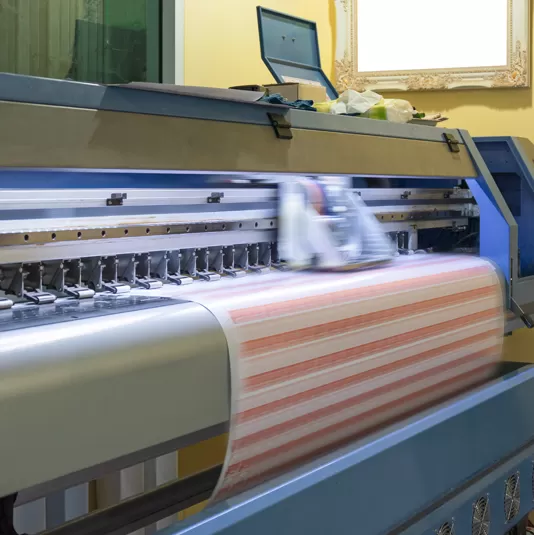
Digital printing uses digital technology to directly transfer digital files onto the printing substrate without the need for physical plates. It's known for fast setup, high precision, and is suitable for both small and large print runs.
| Digital Printing | |
| Ink Types | Uses liquid or powder-based inks, depending on the type of digital printer. This ensures vibrant and clear prints on a variety of substrates. |
Print Volume & Efficiency | Cost-effective for small to medium volumes; best used for on-demand printing, where setup and flexibility are more important than large-volume efficiency. |
| Quick Setup | Digital files are sent directly to the printer, eliminating the need for traditional plates. |
| Highly Accurate | Delivers precise and detailed prints, even for intricate designs. |
| Versatile Applications | Ideal for short-run prints, variable data printing, and personalized products. |
Speed: Minimal setup time allows for quick turnaround, especially for smaller runs.
Customization: Supports personalization and variable data printing (e.g., different names or designs in each print).
Cost-Efficiency for Small Runs: No need for large setup costs, making it cost-effective for small print jobs.
Limited Print Width: Can't match the large printing widths or volumes of traditional methods.
Limited Substrate Options: The range of compatible printing materials can be more limited compared to other methods.
High Cost for Large Runs: Digital printing is often more expensive per unit for high-volume prints.
Personalized Products: Perfect for custom printing on items like packaging, marketing materials, and promotional items.
Short-Run Printing: Ideal for projects that require small quantities, such as business cards, flyers, labels, and custom packaging.
Packnetic- your trusted pack in the packaging industry, for all-in-one, thoughtful packaging solutions!