What is Offset Printing?
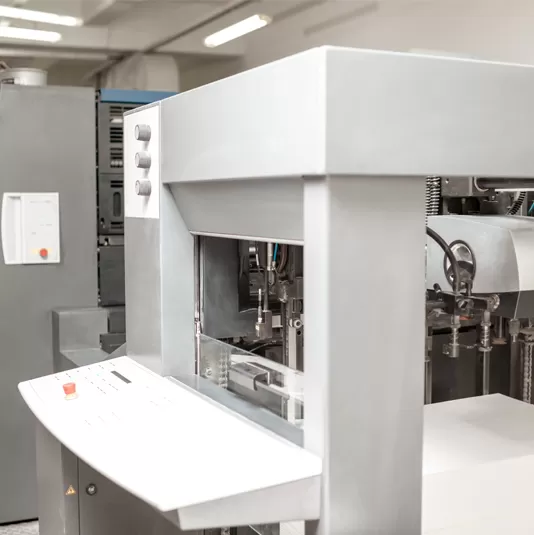
Offset printing is a popular printing method where ink is transferred from a plate to a rubber blanket, and then onto paper. It’s well-regarded for producing high-quality prints efficiently, especially for large-volume runs.
Key Features:
High-Speed Printing: Offers fast production times, making it ideal for large print runs.
Exceptional Print Quality: Achieves sharp, precise details and vibrant colors.
Wide Applicability: Perfect for printing a wide range of materials, including books, magazines, brochures, and newspapers.
Offset Printing | |
| Ink Types | Typically uses oil-based inks, which provide great adhesion to paper and produce vivid, high-quality colors. |
| Print Volume & Efficiency | Offset printing is most cost-effective for large quantities, as setup costs decrease per unit with a higher volume. It is an ideal method for bulk printing. |
| Additional Benefits | - Thin Ink Layers: Provides vibrant colors and smooth gradients with sharp text. - Color Flexibility: Can print any color, making it great for complex, multi-color designs. - Longevity: Offset printing plates can last for up to 1 million impressions, which makes it ideal for long runs. |
Speed: Offset printing significantly reduces production time, perfect for high-volume printing.
Superior Quality: Produces crisp text, fine details, and vibrant color reproduction.
Versatility: Ideal for various commercial printing applications like magazines, catalogs, and more.
High Setup Costs: The machinery and initial setup costs for offset printing can be quite high.
Not Ideal for Small Runs: Because of the setup costs, it's less cost-effective for small print jobs or one-off items.
Offset printing is used extensively for large-scale commercial printing, such as books, magazines, brochures, flyers, and other marketing materials.
Packnetic- your trusted pack in the packaging industry, for all-in-one, thoughtful packaging solutions!