Gloss lamination packaging is usually suitable for products that need bright colors, strong shelf appeal, and a polished surface. Matte lamination packaging is often preferred by brands seeking a softer, more refined, and premium appearance.
The right option depends on the product category, brand positioning, artwork, packaging material, sales environment, and handling requirements. Both finishes can improve the appearance of custom boxes, paper bags, labels, brochures, and other printed materials while adding a protective layer to the printed surface.
For brands comparing gloss lamination packaging with matte lamination packaging, understanding how each finish affects color, texture, glare, durability, and customer perception is essential before starting mass production.
What Is Gloss Lamination Packaging?
Gloss lamination packaging is produced by applying a shiny, transparent film to the surface of printed paper or paperboard. The reflective finish can make colors appear brighter, increase image contrast, and give the packaging a polished appearance.
This type of lamination works especially well with designs that contain:
Gloss lamination packaging is commonly used for food boxes, beverage packaging, children’s products, electronic accessories, promotional cartons, catalogues, and retail displays. Its bright surface can help products attract attention when they are displayed alongside competing items.
The laminated film also provides additional resistance to light scratches, dirt, moisture, and repeated handling. However, it does not make the entire package completely waterproof.
What Is Matte Lamination Packaging?
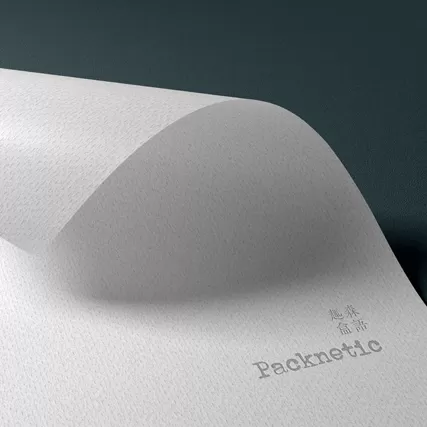
Matte lamination packaging uses a smooth, low-reflection film that reduces glare and creates a softer visual effect. Instead of making printed colors appear brighter, it gives the packaging a more restrained and sophisticated appearance.
This finish is frequently selected for:
Matte lamination packaging is particularly effective when the artwork uses dark, neutral, muted, or minimalist colors. It also works well for designs that rely on typography, clean layouts, and subtle branding rather than highly saturated graphics.
Packnetic provides lamination packaging solutions for custom boxes, paper bags, printed materials, and other OEM and ODM packaging projects.
Gloss Lamination Packaging vs Matte Lamination Packaging
| Comparison Factor | Gloss Lamination Packaging | Matte Lamination Packaging |
|---|
| Surface appearance | Shiny and reflective | Smooth and low-reflection |
| Color presentation | Makes colors appear brighter and more saturated | Creates softer and more restrained colors |
| Brand impression | Energetic, modern, and eye-catching | Elegant, refined, and premium |
| Light reflection | Produces more glare | Reduces glare |
| Fingerprints | May show fingerprints more easily | Usually hides light fingerprints better |
| Suitable artwork | Photography, colorful graphics, and high-contrast designs | Minimalist layouts, typography, and muted colors |
| Common applications | Retail cartons, food boxes, promotional packaging, and magazines | Cosmetics boxes, jewellery packaging, books, and luxury gift boxes |
Neither finish is automatically better for every project. Gloss lamination packaging can strengthen the visual impact of colorful artwork, while matte lamination packaging can support a more understated and premium brand image.
The final decision should be based on how the packaging needs to look, feel, and perform in its intended market.
How to Choose Between Gloss and Matte Lamination
The first consideration is the impression the packaging should create. Brands that want products to appear bright, energetic, and visually prominent may prefer gloss lamination packaging. Brands aiming for a calm, professional, or luxury presentation may find matte lamination packaging more suitable.
The retail environment also affects the decision. A colorful product box displayed in a supermarket may benefit from the reflective finish of gloss lamination. A skincare or perfume box displayed in a boutique may look more appropriate with a smooth matte surface.
Before confirming the finish, brands should evaluate:
Packaging type and dimensions
Paper or paperboard material
Printing method
Ink coverage and artwork colors
Product photography and graphic details
Additional surface treatments
Transportation and storage conditions
Target customers and sales channels
Order quantity and budget
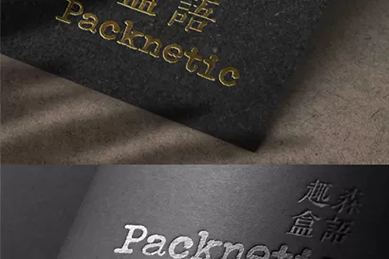
Other finishing techniques can also be combined with lamination. Matte lamination packaging can include spot UV coating on the logo, foil stamping on the product name, or embossing on selected design elements. These combinations create visual and tactile contrast without making the entire surface reflective.
Gloss lamination packaging can also be combined with metallic foil, embossing, or special printing effects when brands need both strong color presentation and decorative details.
Physical samples should be reviewed whenever possible. Digital screens, lighting conditions, and product photography can make gloss and matte finishes appear different from the actual printed packaging.
Packnetic supports OEM and ODM production for paper boxes, paper bags, plastic bags, stickers, books, flyers, carbonless paper, and other printed products. By reviewing the artwork, material, quantity, finish, target market, and delivery requirements, Packnetic can recommend a suitable lamination option for each project.
Frequently Asked Questions
Is gloss lamination packaging cheaper than matte lamination packaging?
The price depends on the film material, packaging substrate, printing method, order quantity, and additional finishing requirements. In some cases, matte film may cost slightly more, but the final price should be calculated according to the complete packaging specifications.
Is matte lamination packaging better for luxury products?
Matte lamination packaging is commonly used for luxury products because its smooth, low-reflection surface creates a refined appearance. However, gloss lamination packaging can also be suitable for premium products when vivid colors, detailed photography, or a polished surface are important to the design.
Does lamination make packaging waterproof?
Lamination improves resistance to moisture, stains, and light splashes, but it does not make the entire package fully waterproof. Exposed edges, folds, openings, and untreated paper surfaces may still absorb water.
Can gloss and matte effects be combined on one package?
Yes. Matte lamination can be used as the main surface finish, while glossy spot UV can be applied to a logo, pattern, product image, or brand name. This creates both visual and tactile contrast.
What information is needed for a lamination packaging quotation?
Buyers should provide the packaging type, dimensions, material, artwork, printing method, preferred lamination finish, additional surface treatments, order quantity, destination, and expected delivery date. Packnetic can then assess whether gloss lamination packaging or matte lamination packaging is more appropriate for the project.