Offset printing is generally the better choice for high-volume packaging that requires consistent color and a lower unit cost, while digital printing is usually more suitable for short runs, faster launches, and designs that change frequently. The right option depends on order quantity, customization needs, lead time, and budget.
For brands ordering custom boxes, paper bags, labels, flyers, or other printed materials, the decision should not be based on print quality alone. Both methods can produce professional results, but they use different production processes and support different business needs.
How Do Offset Printing and Digital Printing Work?
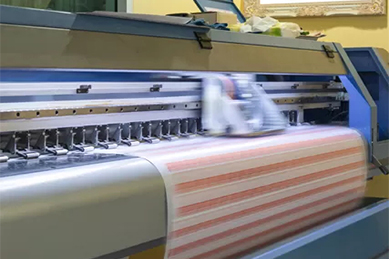
Offset printing uses printing plates to transfer ink onto a rubber blanket and then onto paper or board. Because plates and machine setup are required, preparation takes more time and adds an initial production cost. Once printing begins, however, the press can handle large quantities efficiently while maintaining stable colors and sharp details.
Digital printing transfers artwork directly from a digital file to the selected substrate without using physical printing plates. Its shorter setup process makes it easier to begin production quickly, revise artwork, or print several design versions within one project.
In practical terms, offset printing rewards scale, while digital printing rewards flexibility.
Offset Printing vs Digital Printing: Key Differences
| Factor | Offset Printing | Digital Printing |
|---|
| Best order size | Medium to large production runs | Samples and short to medium runs |
| Setup process | Requires plates and press preparation | Prints directly from digital files |
| Unit cost | Usually decreases as quantity increases | More competitive for smaller quantities |
| Turnaround time | Requires more preparation | Faster setup and easier revisions |
| Color consistency | Strong consistency across long runs | Reliable color for shorter runs |
| Personalization | Less practical when every piece changes | Suitable for variable data printing |
| Typical applications | Folding cartons, paper bags, books and brochures | Prototypes, labels, seasonal packaging and limited editions |
Neither technology is automatically superior. The best value comes from matching the printing method to the commercial purpose of the packaging.
When Should You Choose Offset Printing for Packaging?
Offset printing is usually the stronger option when a brand has finalized its design and needs a substantial quantity of identical packaging. Its setup cost is distributed across the entire production run, so the cost per piece can become more attractive as the order quantity increases.
It is also suitable for projects requiring fine text, smooth gradients, detailed graphics and consistent brand colors across thousands of units. This makes offset printing packaging a practical choice for established product lines, retail packaging programs, paper bags, books, flyers and repeat orders.
Companies serving food, cosmetics, pharmaceuticals, electronics or home-appliance markets may prefer offset printing when their artwork and product information will remain stable. Before production, buyers should confirm the packaging material, ink requirements, surface finishing, color standards and expected reorder quantity.
When Is Digital Printing the Better Choice?
Digital printing is useful when speed, lower initial commitment or frequent artwork changes are more important than achieving the lowest possible unit cost at high volume. Because conventional printing plates are not required, brands can move from approved artwork to production with fewer setup steps.
This makes digital printing packaging suitable for prototypes, market testing, limited editions, seasonal campaigns, localized language versions and small-batch product launches. It can also support variable data printing, allowing names, promotional codes, product information or graphics to change between printed pieces.
For startups and growing brands, digital printing can reduce the risk of ordering too much packaging before market demand is proven. It also makes it easier to update product information, promotional messages or design elements without holding a large amount of outdated packaging inventory.
How to Select the Right Printing Method
Begin with the expected order quantity, but also consider how long the design will remain valid, how many product SKUs are involved and how frequently the printed information may change.
Offset printing may provide better overall value for a stable design and a large repeat order. Digital printing may be more efficient when testing a new market, producing several small design versions or working with a tight launch schedule.
A hybrid approach can also be effective. For example, a brand may use digital printing for prototypes, initial market testing and early sales. After the packaging design and customer demand have been confirmed, production can move to offset printing for larger quantities and a potentially lower unit cost.
Packnetic supports OEM and ODM projects for paper boxes, paper bags, plastic bags, stickers, books, flyers, carbonless paper and other printed products. By reviewing the material, quantity, artwork, finishing requirements, target market and delivery plan, Packnetic can recommend a printing route that balances quality, cost and flexibility.
Frequently Asked Questions
Is offset printing cheaper than digital printing?
Offset printing is often more cost-effective per unit for large production runs because its setup cost is spread across more pieces. Digital printing is commonly more economical for smaller quantities because it avoids conventional plate-making and lengthy press preparation.
Which method offers better print quality?
Both methods can produce high-quality custom packaging. Offset printing is often selected for long-run color consistency and fine details, while digital printing works well for short runs, prototypes and designs requiring frequent updates.
Can digital printing be used for custom packaging?
Yes. Digital printing can be used for custom boxes, labels, cards, promotional materials and other short-run packaging applications. The final feasibility depends on the selected material, packaging dimensions, finishing requirements and available printing equipment.
Which printing method is better for a new product launch?
Digital printing is often a practical starting point when the expected order volume is uncertain or several designs need to be tested. Once demand becomes stable and larger quantities are required, offset printing may offer a more favorable unit cost.
What information should I provide for a packaging quotation?
Prepare the packaging type, dimensions, preferred material, order quantity, artwork, number of designs, surface finishing requirements, destination market and required delivery date. Packnetic can then evaluate whether offset printing or digital printing is more suitable for your project.